Veteran Homeless Outreach: What Effective Engagement Actually Looks Like
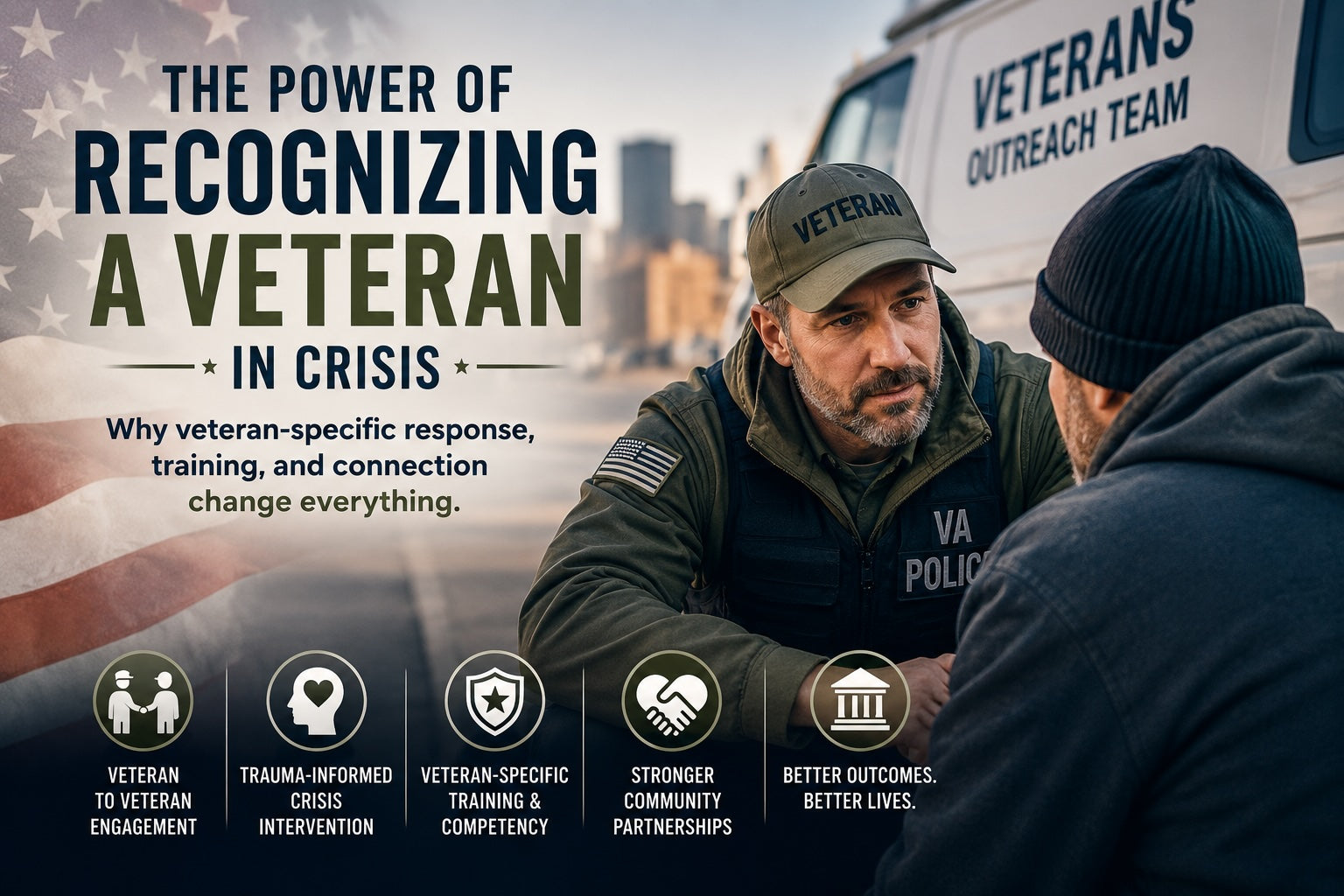
Most homeless outreach training assumes a fairly standard case: someone who has lost housing, and a team trying to connect them to shelter and services. Veteran homeless outreach is a different exercise entirely, and treating it the same way costs outreach teams the trust they need to actually help.
Why this population responds differently
A veteran living unsheltered has often already been failed by at least one system, sometimes several. Benefits paperwork that went nowhere, a discharge status that complicated eligibility, a bad experience with a provider who did not understand military culture. By the time an outreach team makes contact, skepticism is not a personality trait. It is a reasonable conclusion drawn from experience.
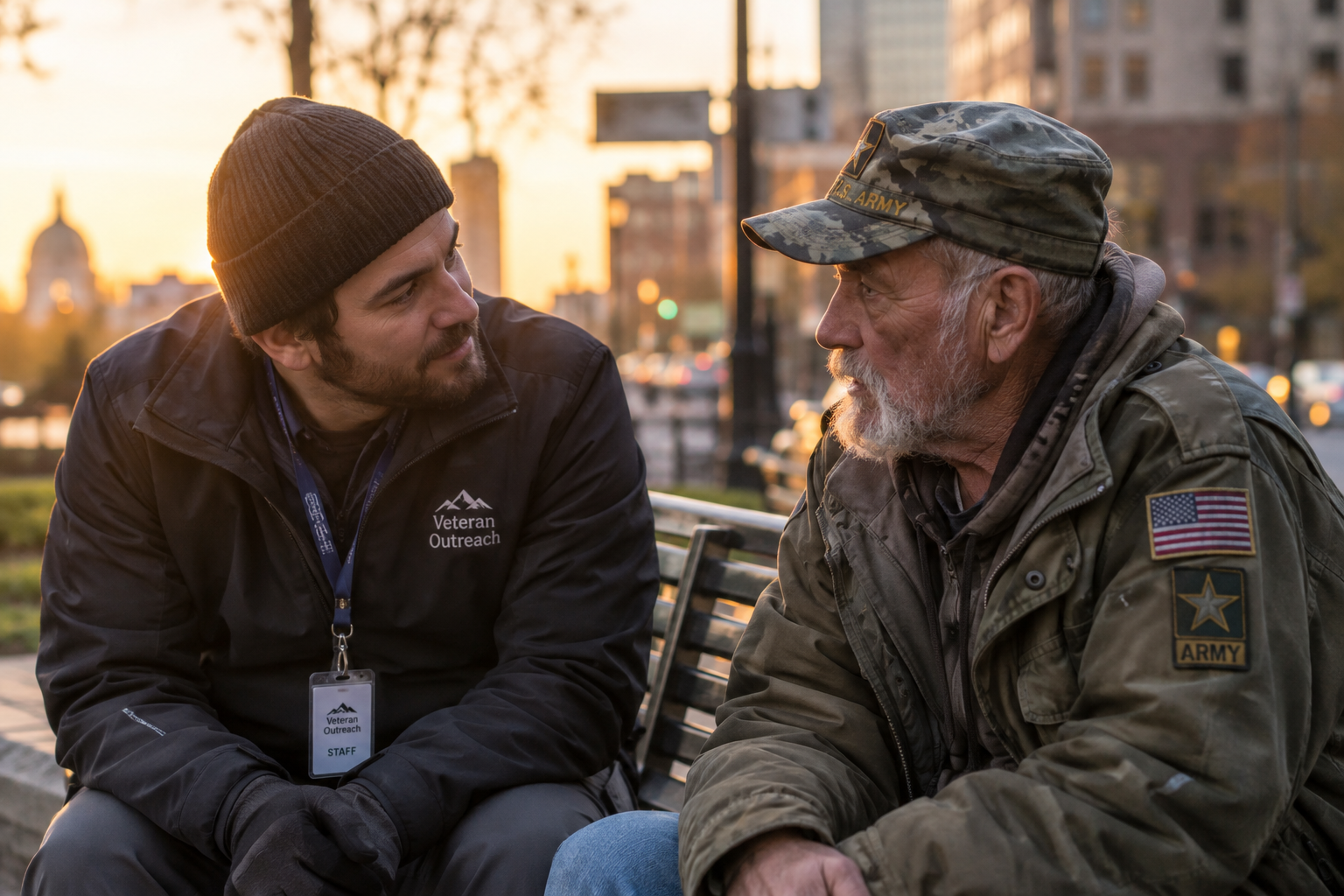
That skepticism shapes the entire first interaction. An approach built around a clipboard, a checklist, and immediate questions about income and housing status reads as one more system that sees a case number instead of a person. Outreach that works starts differently: with rapport, with genuine curiosity about the person's service and their story, before any conversation about resources begins at all.
What the training actually covers
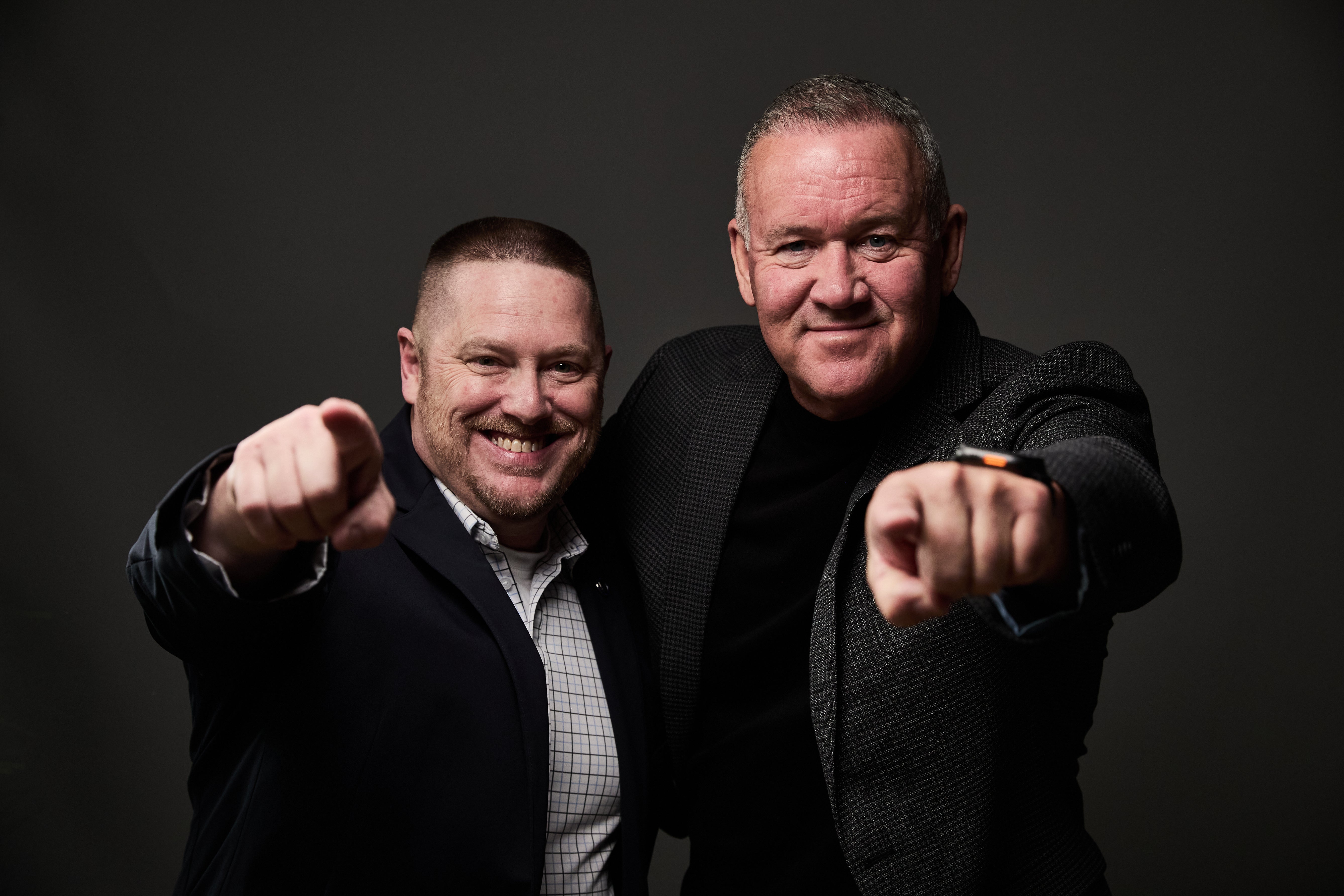
We built our Veteran Homeless Outreach and Engagement training alongside Sergeant John Strosnider of the LA County Sheriff's Department, specifically because effective outreach here requires two things working together that rarely sit in the same training room: a law enforcement perspective on safety and de-escalation, and a genuine understanding of veteran culture and the benefits landscape.
The training covers:
- How to open a first contact in a way that builds trust instead of triggering the guardedness this population has earned the hard way. This is not a script. It is a set of principles about pacing, tone, and what to ask first versus what to hold until later.
- Recognizing the specific signs of veteran status when someone has not volunteered it, tattoos, references, bearing, without turning the recognition itself into an interrogation.
- Navigating the actual benefits landscape, VA healthcare eligibility, disability claims, HUD-VASH vouchers, and the local resources specific to the county, so a team can make a real referral instead of a vague suggestion to call someone.
- What law enforcement's role should and should not be in an outreach contact, since a uniformed presence changes the interaction whether or not anyone intends it to.
A realistic first contact
A typical outreach encounter does not open with paperwork. It opens with noticing: a piece of gear, a way of standing, a comment that suggests service history, and asking about it directly rather than working around it. That question, asked with real interest rather than as a screening tool, often does more to open a conversation than anything else in the entire interaction.
From there, the conversation moves toward what the person actually needs right now, not the outreach team's checklist of available programs. A person who has been unsheltered for months has often heard every program name already and has reasons, sometimes good ones, for not pursuing them. Understanding why a specific resource was tried and rejected before matters more than repeating the same referral a different team already made.
Where law enforcement fits, and where it does not
Sergeant Strosnider's presence in this training reflects something specific about how outreach actually happens in the field: officers are often part of first contact, whether as part of a coordinated outreach team or because they encountered the person independently. How that presence is handled changes the entire trajectory of the interaction.
An officer who leads with authority, even unintentionally, can recreate the exact dynamic that made the person distrust institutions in the first place. An officer trained to hang back, let the outreach worker lead, and step in only for genuine safety needs supports the interaction instead of dominating it. This is the same coordination principle behind our veteran co-response model, applied to a different setting: pairing the right expertise together rather than defaulting to whichever role happens to be present.
Common mistakes teams make
The most common error is treating the first contact as an intake rather than a conversation. A team that shows up with a form and a pen, ready to collect information immediately, rarely gets an honest answer to any of the questions on it. The form has its place. It is not the opening move.
A second common error is impatience with a decline. A veteran who says no to shelter or services on the first contact has not failed the outreach effort. Declining help, especially help from strangers representing systems that have let them down before, is a reasonable response the first time it is offered. Teams trained to treat a single no as the end of the relationship lose people who would have said yes on the third or fourth contact, after trust had actually been built.
A third mistake is inconsistency across visits. Outreach to the same person by different team members, each starting from scratch with no shared notes or continuity, forces the person to rebuild trust every single time. A consistent point of contact, or at minimum a shared record of what has already been discussed, makes an enormous difference in how quickly real progress happens.
Why this matters beyond the immediate contact
Veterans experiencing homelessness are disproportionately dealing with service-connected trauma, and an outreach interaction handled poorly can do more than fail to connect someone to services. It can actively reinforce the belief that no one in a position to help actually understands what they went through. An interaction handled well does the opposite: it demonstrates, in a single conversation, that at least one person in the system sees them accurately.
That single demonstration often does more to move someone toward accepting help than any specific program or benefit on offer. Trust is the actual currency in this work, and it is built or destroyed in the first few minutes of contact, long before any paperwork is involved.
Building this capability in your organization
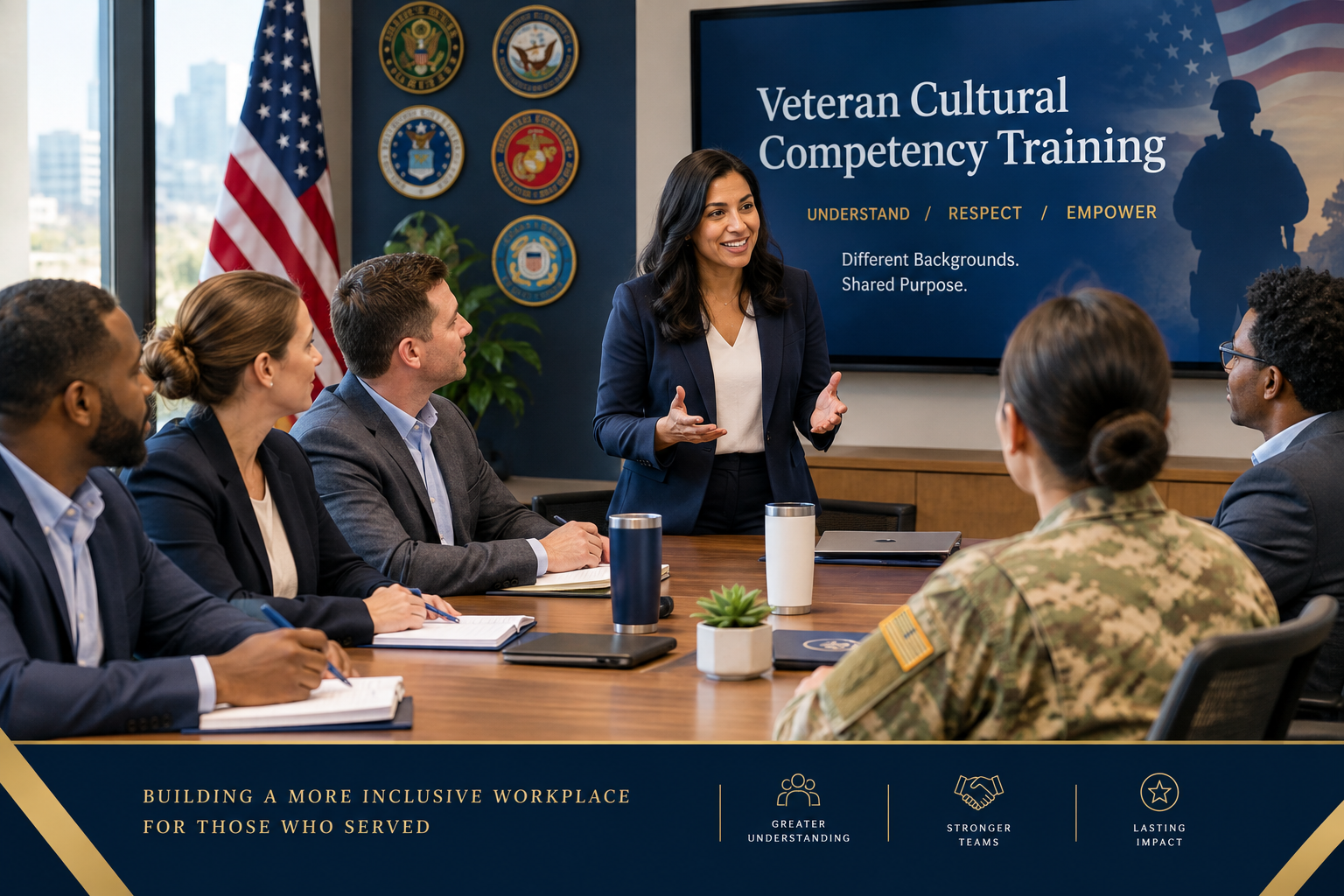
Any organization with outreach responsibilities toward this population, county homeless services, veteran service organizations, faith-based outreach teams, benefits from training that goes beyond general homeless outreach practice into the specific dynamics of veteran engagement. Pairing that training with a genuine understanding of how law enforcement should and should not be involved closes a gap most general outreach training never addresses.
If your team handles veteran homeless outreach and has not had training specific to this population, that gap tends to show up as declined contacts and lost opportunities rather than anything dramatic. It is worth closing before the next difficult interaction, not after. We would be glad to talk through what a training session looks like for your team.