Veteran Cultural Competency Training: What You Need to Know
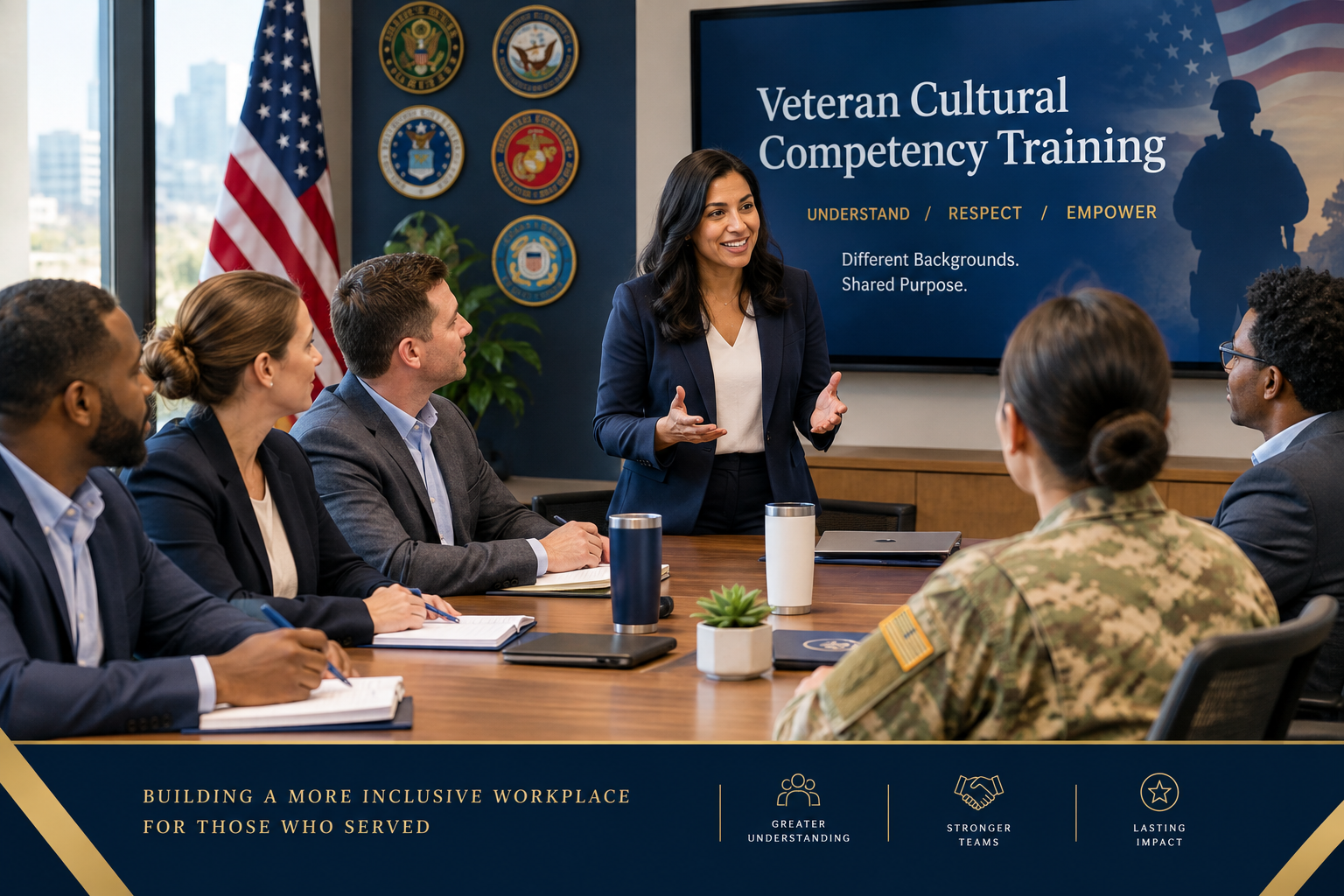
Veteran cultural competency training used to live almost entirely inside VA facilities. That is changing, and it should. Veterans show up as clients, patients, and coworkers across public agencies, nonprofits, and private employers far beyond the VA system, and most of those organizations have never trained staff on what that population actually needs.
What veteran cultural competency actually covers
This is not a history lesson on military rank structure. It is practical training on how military service shapes communication style, how trauma history can show up in a routine interaction, and how staff can avoid the missteps that make a veteran disengage from a service they need.
Military culture trains people to be direct, mission-focused, and uncomfortable with what can feel like performative sympathy. A staff member trained in a purely civilian communication style, heavy on emotional validation and open-ended questions, can unintentionally come across to a veteran as unfocused or insincere. That is not a failure on either side. It is a mismatch in communication norms that training can close, once staff understand it exists.
Where the gaps usually show up
- Front-line staff who do not recognize signs of service-connected stress and respond in ways that escalate rather than calm a situation. A veteran who appears clipped or impatient may be managing hypervigilance rather than being rude, and a response that reads that behavior as disrespect can quickly derail the interaction.
- Intake processes that ask questions in a way that feels adversarial to someone used to a very different communication style. A rapid sequence of personal questions with no context can feel like an interrogation rather than an intake, particularly for someone whose service involved being questioned under very different stakes.
- Case workers who are unaware of the resources specific to veteran populations, so referrals stall. A referral to a generic community resource, when a veteran-specific program exists and would serve the person better, often goes unused, and the case worker rarely finds out why.
- Leadership that assumes veteran cultural competency is only relevant to a small handful of staff, rather than anyone who might interact with a veteran client, patient, or employee. In practice, the staff most likely to have an early, defining interaction with a veteran are often the ones with the least specific training: front desk, intake, and first-line supervisors.
Why this connects to workplace violence prevention
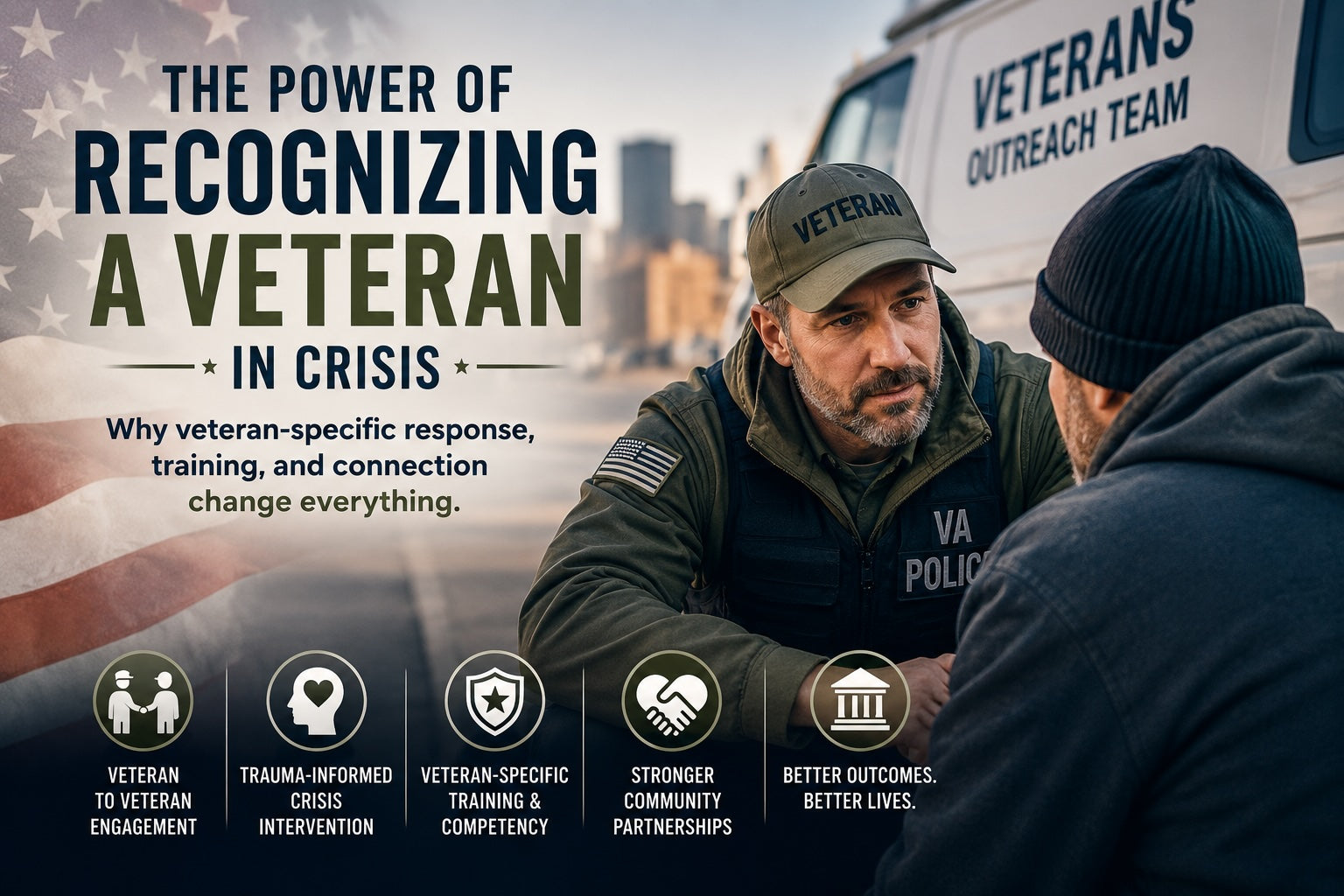
We built our veteran co-response model at the Long Beach VA around a simple idea: pairing a clinician with a trained responder produces better outcomes than either working alone, especially with a population that may not respond well to a purely law enforcement approach. That same principle applies broadly. Staff who understand veteran cultural context de-escalate faster and refer more accurately, which reduces the chance a difficult interaction turns into an incident.
A uniformed or authoritative presence can read very differently to someone with combat or high-stress service history than it does to the general public. That does not mean removing authority figures from the interaction. It means training the people already present to recognize when tone, positioning, or pace needs to shift, so the response fits the person in front of them rather than a generic protocol.
What effective training actually changes
Good veteran cultural competency training is not about memorizing facts. It changes three specific behaviors: how staff phrase their opening questions, so intake feels like a conversation rather than a checklist; how staff read behavior that might otherwise be misread as defiance or disengagement, so a hypervigilant or terse response gets met with patience rather than escalation; and how staff know what to do next, meaning which specific resources exist and how to make a referral that actually gets used rather than filed and forgotten.
A brief, real example of the gap
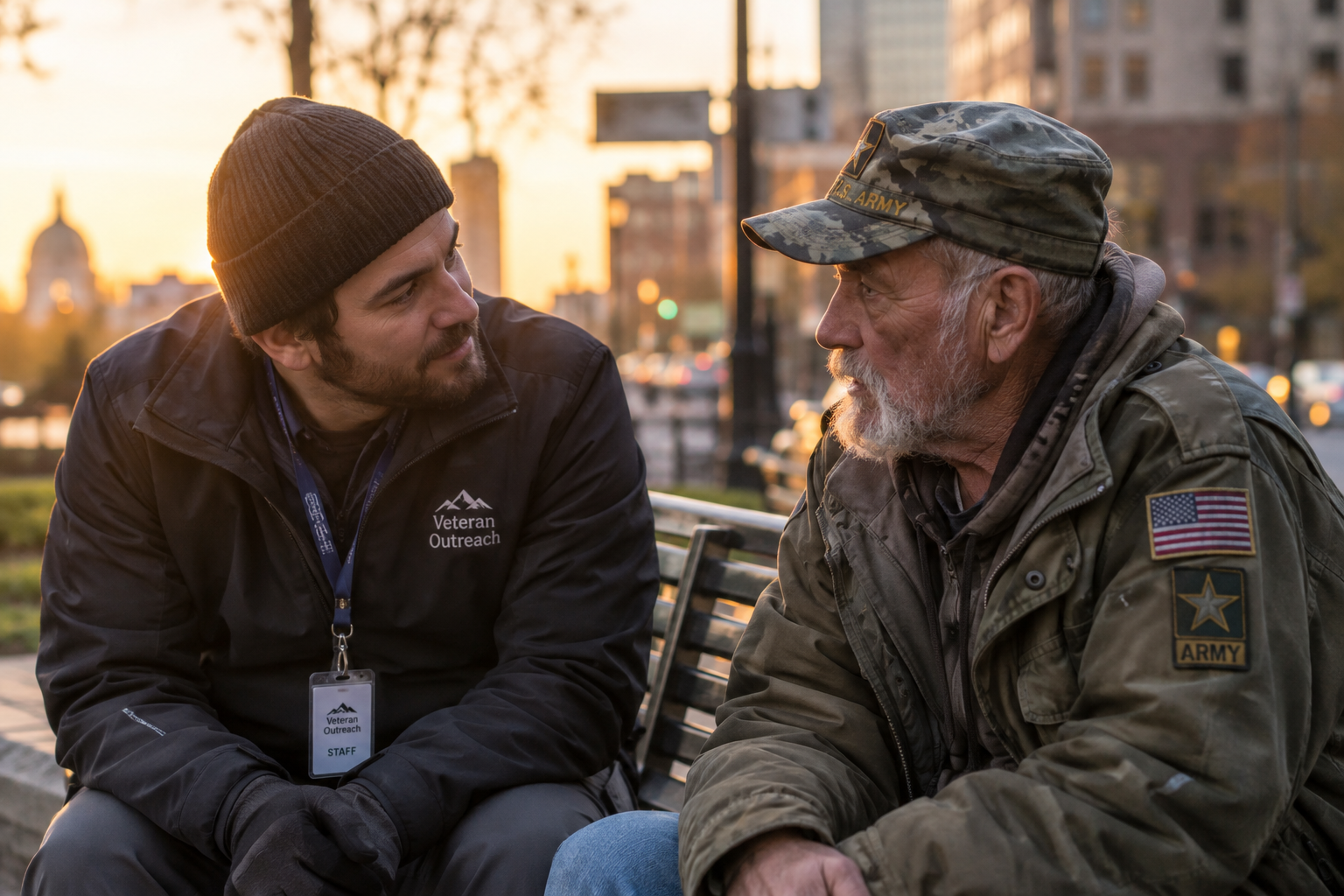
A veteran arrives at a county social services office for a routine benefits appointment and is asked, in the first thirty seconds, to explain his combat history as part of a standard intake form. He shuts down, gives minimal answers, and leaves without completing the appointment. Staff read this as disinterest or resistance. In reality, the abrupt, context-free request touched on material he was not prepared to discuss with a stranger at a counter, in front of other people in line, first thing in an unrelated appointment. A trained staff member handles the same form differently: explaining briefly why the question exists, offering the option to skip it and follow up privately, and reading the hesitation as a cue to slow down rather than push through. The outcome changes entirely, not because the form changed, but because the delivery did.
Who should have this training
Any organization serving veterans as clients, patients, students, or employees benefits, not just VA-adjacent facilities. County social services, workforce development programs, and private employers with veteran hiring initiatives all see real value here.
Educational institutions with veteran student populations, healthcare systems outside the VA network, and faith-based and nonprofit organizations running veteran-adjacent programs also see this gap frequently, often without realizing it is the reason a program's veteran engagement numbers lag behind its general population numbers.
If your staff have not had veteran cultural competency training, or it has been years since the last session, we would be glad to talk through what a program looks like for your team.