Tabletop Exercises vs. Live Simulation: Choosing the Right Training Format
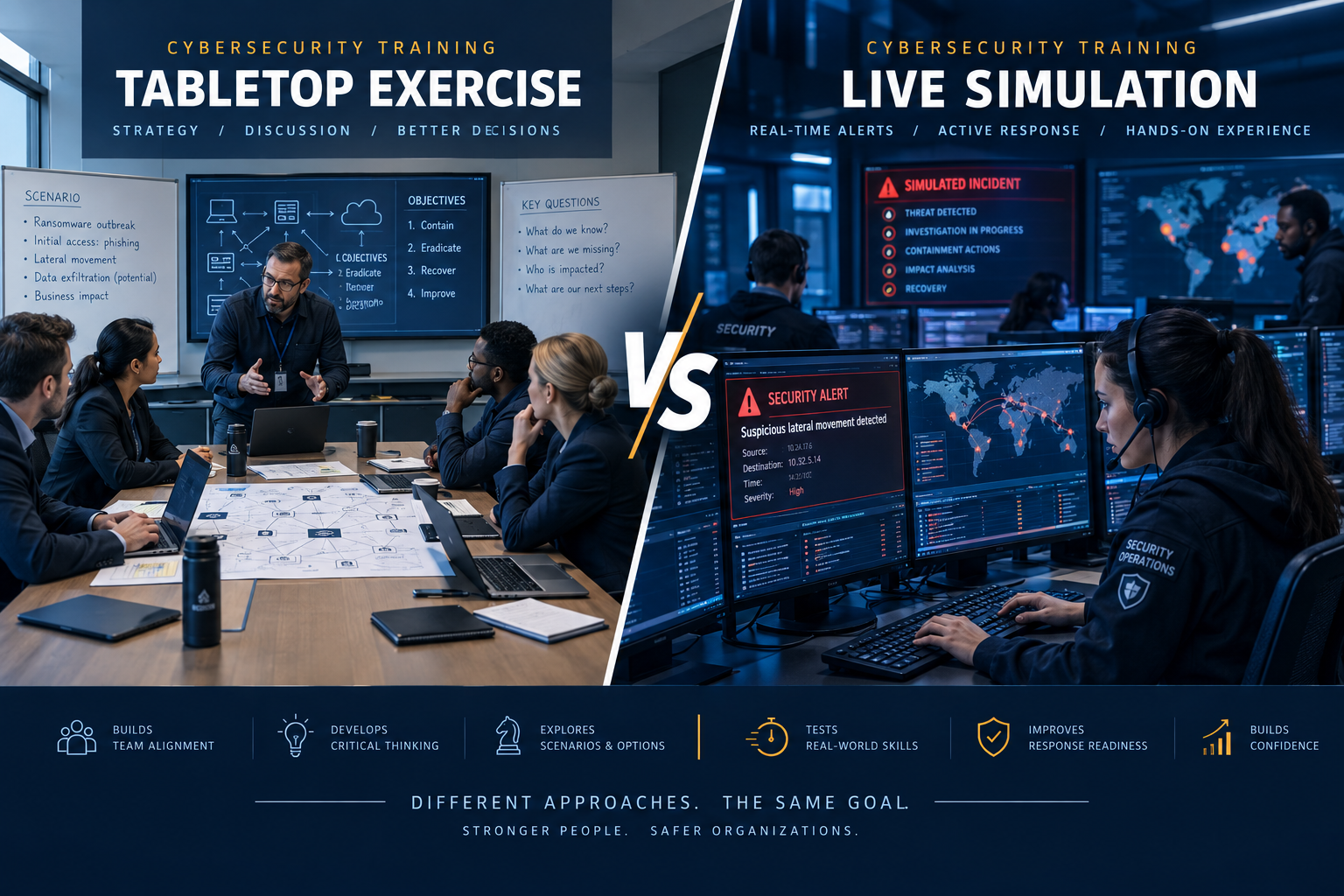
We get asked constantly which is better: tabletop exercises or live, scenario-based simulation. The honest answer is that they solve different problems, and using the wrong one for the job wastes budget without building the skill you actually need.
What tabletop exercises are built for
A tabletop exercise is a discussion-based walkthrough. A facilitator presents a scenario, and participants talk through their response step by step: who gets contacted, what decision gets made, who documents what. There is no physical component and no time pressure.
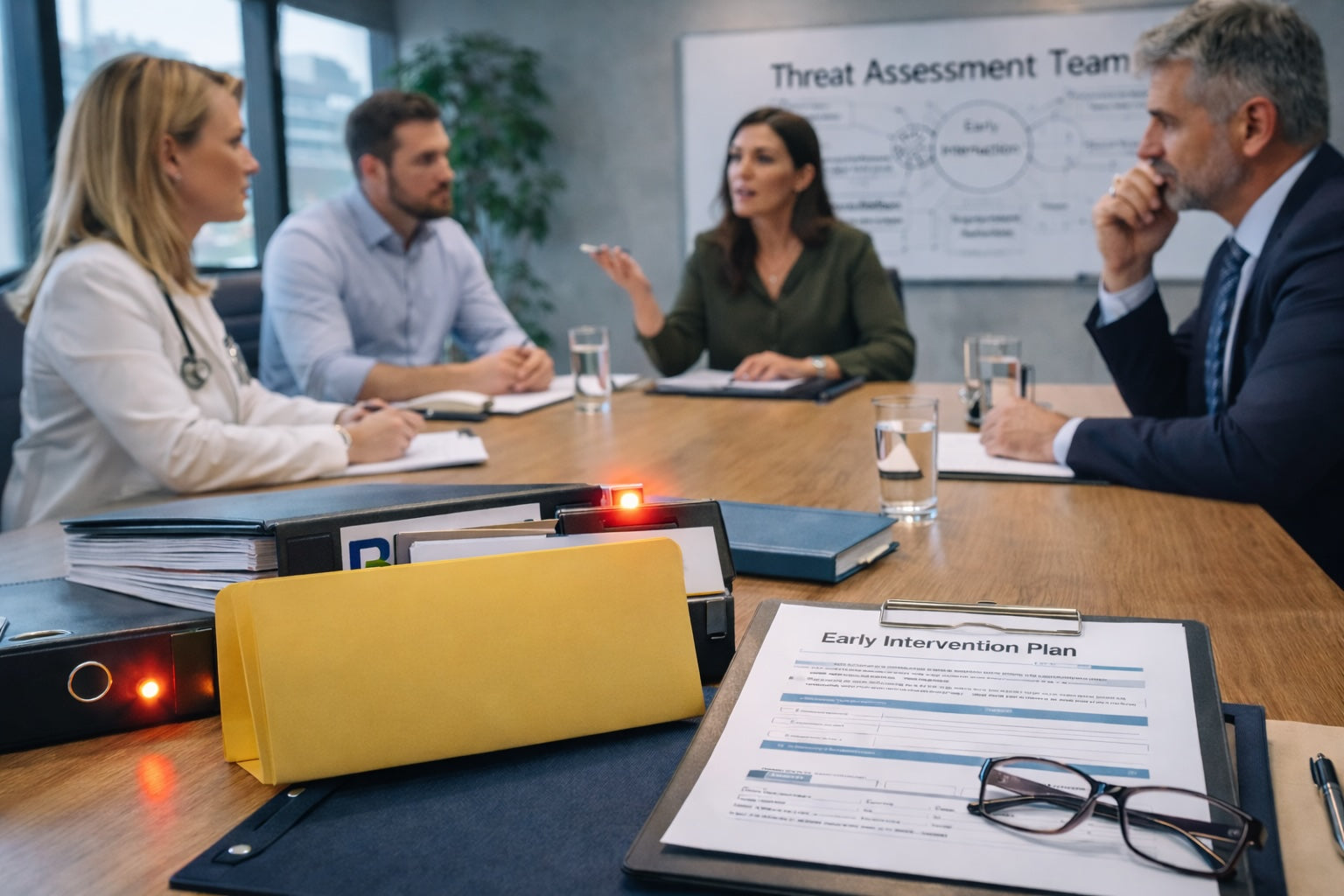
That lack of time pressure is a feature, not a limitation. Tabletop exercises give a team room to think out loud, question each other's assumptions, and catch gaps in a process before anyone is under stress. A threat assessment team that has never met can use a tabletop exercise to figure out, calmly, who actually owns which decision, long before a real case forces that conversation to happen under pressure.
Tabletop exercises are the right format for Behavioral Threat Assessment Management, because BTAM is fundamentally a decision-making and process question, not a physical response question. A threat assessment team needs to practice how they would evaluate a case, not how they would move through a building.
What live simulation is built for
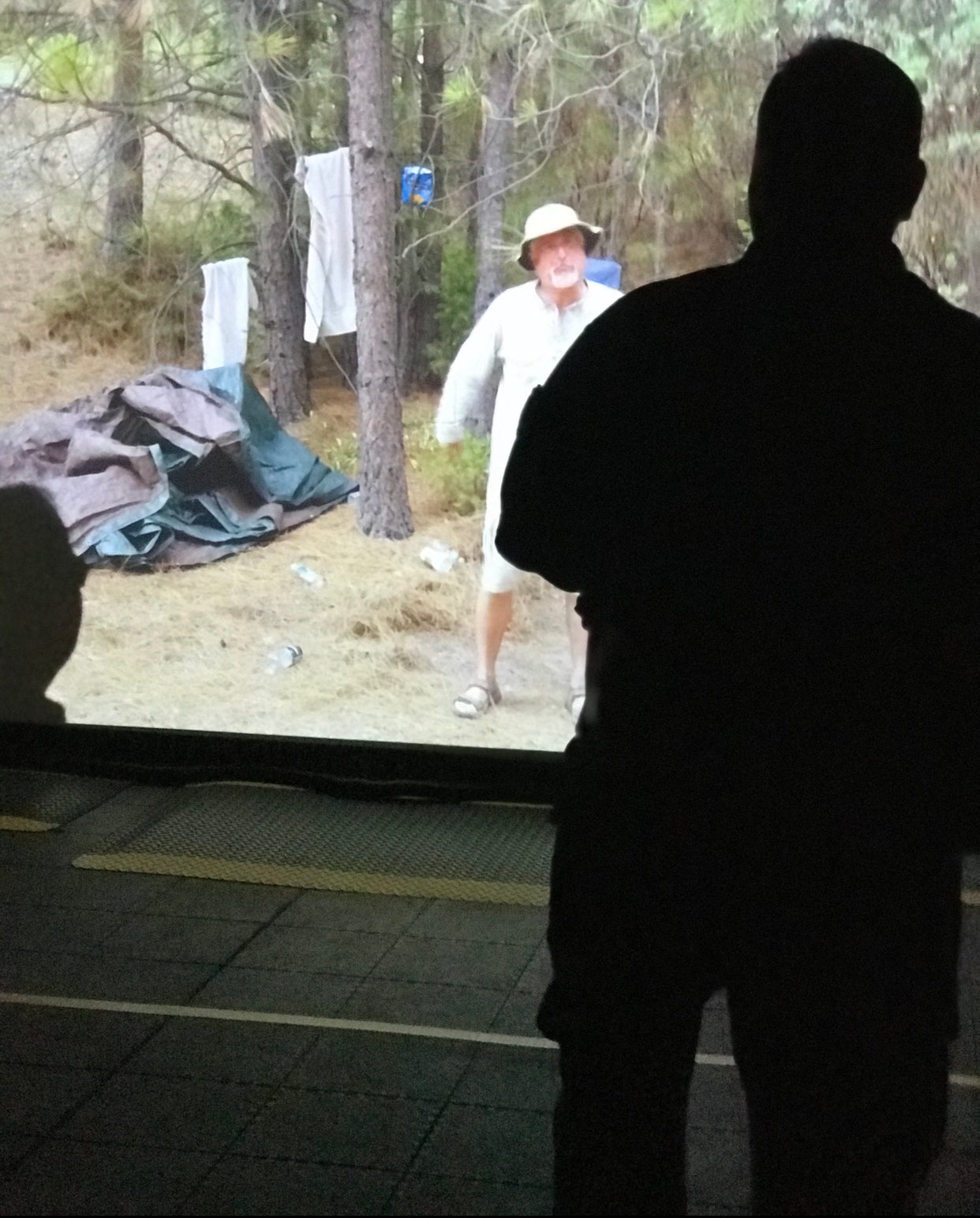
Live simulation, using platforms like MILO Range and AUFIRE, puts a person into a branching scenario that responds to their actions in real time, often with realistic time pressure. This format builds the kind of muscle memory that a discussion cannot. It is the right tool for de-escalation training, active threat response, and any skill where the person needs to perform under stress, not just decide correctly on paper.
The value of live simulation comes specifically from the pressure it introduces. A person can describe the correct de-escalation technique perfectly in a calm classroom discussion and still freeze the first time someone is actually yelling at them. Live simulation closes that gap by making the stakes feel real enough that the same stress response gets triggered and, over repeated sessions, gets trained rather than avoided.
A simple way to choose
- If the skill involves gathering information and making a documented decision over time, use a tabletop exercise. This covers BTAM case reviews and incident investigation practice.
- If the skill involves a physical or verbal response under real-time pressure, use live simulation. This covers de-escalation, active threat response, and crisis intervention.
- If your organization has never done either, start with a tabletop exercise. It costs less, takes less time to schedule, and builds the process muscle that simulation training then builds on.
What happens when the format is mismatched
We see organizations run a live simulation for their threat assessment team, expecting it to build BTAM skill, when what the team actually needed was practice reviewing a case file and deciding on next steps together. The simulation was engaging, but it did not build the skill the team needed most. The team walks away having had an interesting experience without having actually rehearsed the decisions their role requires.
The reverse mismatch happens too, and it is arguably more costly. Running only tabletop exercises for a skill like de-escalation, where the entire point is performing correctly while a real physiological stress response is active, leaves staff able to describe the right move without being able to execute it. A team can ace every tabletop discussion about how to de-escalate a hostile customer and still struggle in the moment, because the tabletop format never actually tested them under pressure.
Combining both formats over time
The strongest training programs we build do not pick one format permanently. They sequence both. A new threat assessment team starts with tabletop exercises to build the process and the relationships between team members. Once that foundation exists, adding a live simulation component, for example practicing the difficult in-person conversation that follows a documented threat assessment decision, adds a layer of realism the tabletop format alone cannot provide. The tabletop builds the thinking. The simulation builds the doing. Most roles genuinely need both, just not necessarily at the same time or in the same session.
What this means for your training budget
Tabletop exercises are the lower-cost, lower-commitment starting point, which makes them a reasonable first investment for an organization building a program from nothing. Live simulation costs more in both time and resources, but produces a different, more durable kind of readiness for the roles that need it. Neither format is inherently superior. The only real mistake is applying either one to a skill it was not built to train.
If you are not sure which format fits your next training priority, that is a conversation worth having before you book anything. Reach out and we will help you figure out which approach actually matches the skill you are trying to build.